
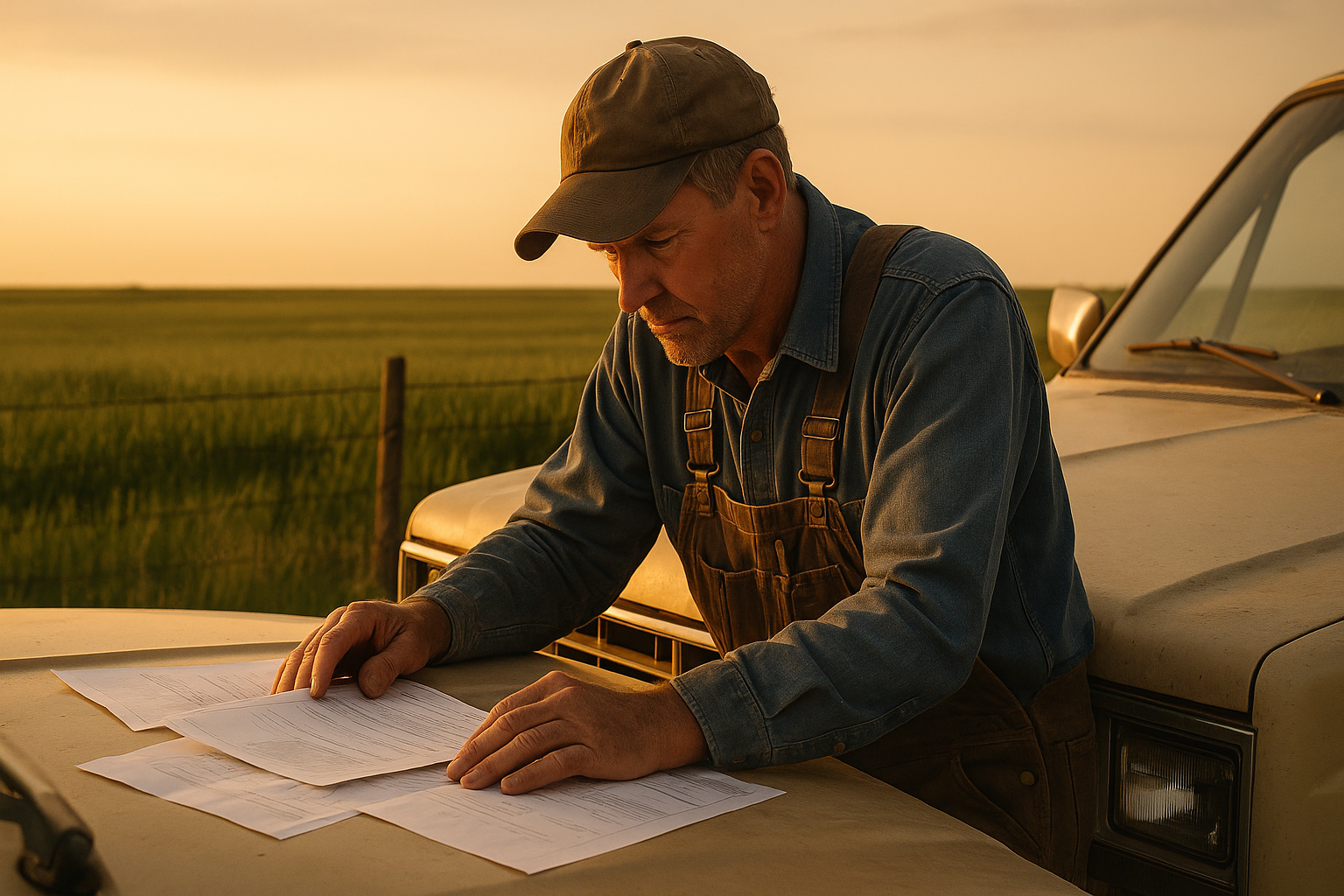
A successful farm sale usually begins long before the property is advertised. The preparation completed before launch can affect buyer confidence, marketing quality, the number of qualified prospects, the strength of the terms, and the likelihood of a smooth closing.
For Kansas landowners, that preparation involves more than mowing an entrance or taking a few aerial photos. Buyers may want to understand soils, productive acres, access, water, improvements, leases, crop rights, FSA records, minerals, conservation programs, taxes, and possession. If those details are unclear, buyers often respond by slowing down, discounting their offers, or avoiding the property altogether.
This checklist is designed for farm ground, pasture, ranch property, hunting land, and rural homes on acreage. Not every item will apply to every tract, but working through the list early will make it easier to choose the right sale method and present the property accurately.
Quick answer: Start preparing at least 60 to 90 days before your preferred marketing date when possible. Confirm who can sign, begin title review, document leases and possession, gather maps and operating records, identify property issues, and compare auction and traditional-listing strategies before setting a public sale date.
1. Define the Seller's Goals and Decision-Makers
Before discussing price or marketing, determine what a successful sale needs to accomplish. A family seeking a definite closing date may need a different strategy from an owner who can wait for a narrow group of buyers. An estate, trust, partnership, or family-owned farm may also require several people to approve the terms.
- Confirm authority. Identify every owner, trustee, executor, manager, spouse, or other party whose signature or approval may be required.
- Set priorities. Rank net proceeds, timing, possession, confidentiality, simplicity, tax planning, and certainty of closing.
- Choose a target timeline. Work backward from the preferred closing date and allow time for title, tenant, survey, and document questions.
- Coordinate advisers. Ask early whether an attorney, accountant, estate representative, lender, or qualified appraiser needs to be involved.
2. Confirm Ownership, Title, and the Legal Description
Rural properties often carry a long ownership history. The county tax record may be useful, but it is not a substitute for reviewing the deed, legal description, and title work. Estates, trusts, old mortgages, unreleased liens, prior reservations, or missing signatures can take time to resolve.
- Gather deeds and estate documents. Locate the most recent deed, trust documents, probate orders, entity records, powers of attorney, and any prior title policy.
- Begin preliminary title work. Ask the closing or title professional to identify ownership, liens, exceptions, easements, and requirements before buyers are waiting.
- Verify the legal description and acreage. Compare the deed, tax record, FSA maps, surveys, and marketing acreage. Explain any difference rather than assuming the figures are interchangeable.
- List reservations and separate interests. Identify known mineral, wind, solar, royalty, water, or other interests that may not transfer with the surface estate.
A fence line is not automatically the legal boundary, and a traveled road is not automatically legal access. If boundaries or access are uncertain, discuss the facts with the title company, a Kansas attorney, and a licensed surveyor before making marketing representations.
3. Document Leases, Crop Rights, and Possession
A farm can be sold with a tenant in place, but buyers need a clear picture of the arrangement. Gather every written lease and document any oral understanding. Determine who receives current rent, who owns growing crops, who pays expenses, whether rent was prepaid, when notice is required, and when the buyer can take possession.
- Write down the current arrangement. Include the parties, acres, rent or crop share, term, renewal language, payments, input responsibilities, and termination provisions.
- Confirm crop and grazing rights. State who may harvest crops, graze pasture, remove hay, or enter the property after closing.
- Coordinate with the tenant. A respectful, early conversation can protect the relationship and prevent conflicting expectations during showings or closing.
- Do not promise vacant possession prematurely. Kansas lease and notice questions can depend on the facts. Obtain property-specific legal advice before terminating or changing an agreement.
4. Map Access, Boundaries, Easements, and Physical Features
Buyers should be able to understand how the property works from a map and during an inspection. Mark the public road frontage, field entrances, internal roads, gates, fences, ponds, creeks, wells, utilities, buildings, hunting access, and any areas with limited access.
- Create a clean aerial map. Show the property outline, acreage, roads, entrances, major improvements, and landmarks without overcrowding the image.
- Identify easements and crossings. Note pipelines, power lines, utilities, drainage, shared drives, railroads, waterways, and access agreements known to the seller.
- Review fences and gates. Describe their condition honestly and avoid representing fences as surveyed boundaries unless verified.
- Make inspections safe. Repair dangerous gate hardware, remove obvious hazards, and provide clear instructions for occupied, leased, or livestock areas.
5. Assemble the Farm's Buyer-Ready Records
A complete information package helps buyers evaluate the property faster. The exact records will depend on the land use, but the following items commonly matter for Kansas farms and ranches.
- FSA information. Available farm and tract numbers, acreage maps, common land units, crop acreage history, bases, yields, and program documents.
- Soil information. NRCS Web Soil Survey maps, soil types, capability classes, productivity information, slopes, and limitations relevant to the property.
- Income and production. Recent cash rent or crop-share terms, grazing arrangements, yield history when reliable, hunting income, and other recurring revenue.
- Taxes and assessments. Current tax statement, special assessments, and separate parcel numbers. Kansas agricultural use value is not the same as open-market sale value.
- Conservation and government programs. CRP contracts, conservation plans, wetland or grassland agreements, payment schedules, expiration dates, and transfer requirements.
- Water and utilities. Well records, water rights or permits when applicable, rural water information, meters, septic records, electric service, and irrigation equipment details.
6. Inventory Improvements and Known Property Conditions
List what is included in the sale and describe its condition accurately. This may include grain bins, barns, shops, corrals, working facilities, fences, wells, pivots, pumps, terraces, waterways, ponds, septic systems, homes, tenant houses, and equipment that will remain.
- Record the basics. Note approximate age, dimensions, capacity, utilities, major updates, and known defects.
- Separate real estate from personal property. Clarify whether equipment, livestock facilities, fuel tanks, portable panels, feeders, or appliances are included.
- Identify known concerns. Discuss dumping areas, buried tanks, abandoned wells, erosion, drainage, flood exposure, contamination concerns, or damaged structures with the appropriate professionals.
- Avoid unsupported claims. Use source documents and careful wording for acreage, productivity, water, boundaries, building condition, and development potential.
Licensed real estate professionals have duties involving adverse material facts actually known to them. Sellers should raise concerns early so the property can be marketed accurately and property-specific disclosure questions can be directed to legal counsel when appropriate.
7. Improve Presentation Without Overspending
A farm does not need to be polished like a suburban home, but it should be understandable and accessible. Focus on improvements that help buyers see the land, enter safely, and recognize the property's strongest features.
- Clean entrances and key viewing areas. Mow or trim where needed, remove dumped material, open important trails, and make gates easy to locate.
- Organize buildings. Provide safe access to barns, shops, bins, corrals, and homes. Remove clutter that hides condition or limits photography.
- Plan photography around the property. Time aerials and ground photos for crops, water, foliage, habitat, improvements, or views that matter to the likely buyer.
- Do not make cosmetic improvements blindly. A major repair, demolition, fence replacement, or renovation may not return its cost. Ask how buyers are likely to value the work before spending heavily.
8. Establish a Defensible Market Value Range
Do not base the decision on one neighboring sale, a statewide average, or the county's agricultural-use appraisal. Market value depends on comparable sales, location, land mix, soils, water, access, tract size, improvements, income, recreation, development influence, sale terms, and buyer demand.
- Review comparable sales. Prioritize nearby tracts with similar use, quality, size, access, improvements, and transaction conditions.
- Consider productivity and income. Use soils, rents, grazing capacity, yields, expenses, and improvement contributions where those facts are reliable.
- Account for unique buyers. Neighbors, expanding operators, investors, hunters, and rural-home buyers may value different parts of the same property.
- Use the right valuation professional. A market analysis can guide sale strategy; a formal appraisal may be appropriate for an estate, tax basis, litigation, financing, or another specialized purpose.
9. Compare Auction and Traditional Listing Strategies
The best method is the one that fits the property, seller's goals, and likely buyer behavior. Auctions can work well when multiple qualified buyers are likely to compete, pricing is difficult, or the seller wants a defined marketing and closing schedule. A traditional listing may fit when the buyer pool is narrow, financing flexibility is important, or the seller prefers ongoing negotiation.
- Compare net proceeds. Consider commissions, buyer's premium structure, marketing costs, concessions, repairs, carrying costs, taxes, and the risk of a failed contract.
- Compare terms. Review contingencies, earnest money, due-diligence periods, possession, closing date, and what happens if the buyer does not perform.
- Compare buyer reach. Ask how operators, neighbors, investors, recreational buyers, rural-home buyers, and out-of-area prospects will be contacted.
- Choose the structure before advertising. Reserve, absolute, online, live, multi-parcel, or traditional-listing decisions should be based on a specific strategy, not habit.
10. Build the Marketing and Closing Timeline
Once the sale method is selected, establish the work plan. A typical real estate auction timeline runs approximately seven to eight weeks from signing to auction day, with media collection, title work, marketing, bidder follow-up, an open house when appropriate, contract and earnest money promptly after the auction, and a closing often targeted within 30 days.
- Before launch. Complete title review, due-diligence materials, photography, video, maps, terms, showing instructions, and the marketing calendar.
- During marketing. Track inquiries, provide consistent documents, answer questions, schedule inspections, and follow up with qualified prospects.
- Before contract or auction day. Confirm the seller's authority, final terms, possession, personal-property exclusions, tenant coordination, and closing responsibilities.
- After agreement. Monitor signatures, earnest money, title requirements, buyer deadlines, prorations, and closing documents through completion.
30-Day Pre-Launch Checklist
| Timing | Seller action |
|---|---|
| 30+ days | Confirm decision-makers, goals, target closing date, and professional advisers. Begin title work and lease review. |
| 21-30 days | Gather deeds, taxes, FSA records, soil maps, surveys, leases, program documents, income records, water information, and improvement details. |
| 14-21 days | Resolve marketing acreage, possession, included property, access instructions, known issues, and the recommended sale method and terms. |
| 7-14 days | Prepare entrances and viewing areas; complete photography, aerials, video, maps, descriptions, and the buyer due-diligence package. |
| Before launch | Approve every published fact, confirm showing procedures, check contact information and links, and make sure all seller parties understand the timeline. |
Frequently Asked Questions
How early should I begin preparing a Kansas farm for sale?
Sixty to ninety days before marketing is a useful target for many properties, but preparation should begin earlier for estates, trusts, multiple owners, title defects, oral leases, surveys, conservation contracts, irrigation systems, or extensive improvements. Starting early preserves options; waiting can force the seller to accept delays or unclear terms.
Do I need a survey before selling?
Not every farm sale requires a new survey. A survey may be useful when acreage, boundaries, access, encroachments, tract splits, or the legal description are uncertain. Review the title work and available surveys first, then ask the title company, attorney, land professional, and licensed surveyor what the transaction requires.
Should I terminate the tenant before selling?
Not automatically. Some buyers value an established tenant and income, while others need possession for their own operation. The seller should understand the lease, notice requirements, crop rights, rent, and desired possession date before choosing the marketing strategy. Obtain Kansas legal advice before attempting to terminate or change a lease.
Does the county's appraised value tell me what the farm will sell for?
No. Kansas agricultural land is generally valued for property-tax purposes using agricultural use value based on productivity and income concepts. That figure is different from open-market value. A sale analysis should use relevant market evidence and the property's specific characteristics.
What records matter most to buyers?
At minimum, buyers usually benefit from a legal description, parcel and tax information, an aerial map, soil information, access details, lease and possession terms, FSA records when available, improvement and utility details, and known easements or program obligations. Irrigated, improved, recreational, and rural-residential properties will require additional records.
What should I do first if I am only considering a sale?
Start with a confidential property review. Clarify ownership, the seller's goals, likely value range, potential buyer groups, title or lease issues, and the advantages of auction versus traditional listing. That first review does not require an immediate decision to sell; it simply shows what should be addressed and what timeline is realistic.
Preparation Creates Better Options
Preparing a farm for sale is not about creating a flawless property. It is about removing uncertainty, documenting value, and making it easier for qualified buyers to act. When ownership, title, leases, access, records, improvements, marketing, and terms are organized before launch, the seller has more control over the process.
Contact Alex Miller to discuss whether an auction or traditional listing is the right approach for your Kansas farm, ranch, hunting property, home on acreage, or estate.
Alex Miller | L2 Realty Inc. & Auction | 316-313-4759